Northern Utah
Artificial turf installation in Utah County
Full-depth base, proper drainage, and turf rated for Utah sun — installed to survive freeze-thaw, not just look good in week one.
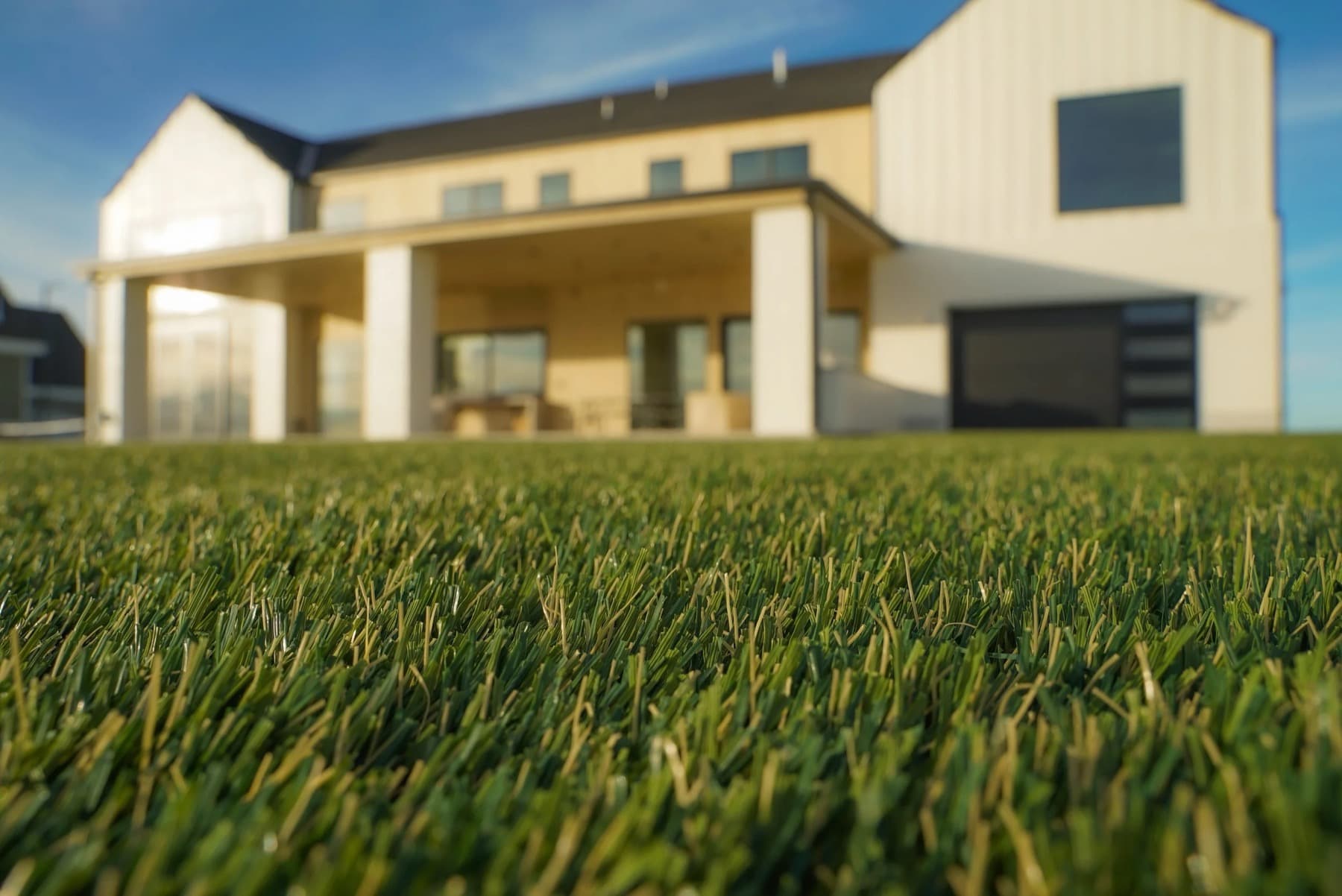
Every job, every time.
Most turf failures in Utah Valley are not turf failures — they are base failures. Our clay-heavy soil holds water, freezes, and lifts anything that was laid on a thin or under-compacted base. We build the base first and treat the turf as the last two hours of the job.
- Demo and haul-off of existing sod, rock, or failed turf
- Excavation to depth (typically 3–4 inches, deeper over heavy clay)
- Geotextile fabric over subgrade to stop base migration into clay
- Crushed and refined granite base — screened, free-draining, no oversized rock — installed in lifts and plate-compacted to grade
- Bender board or concrete edge restraint on every open edge
- Turf seamed, not overlapped, with seam tape and adhesive
- Perimeter secured with 5–6 inch galvanized nails or spikes
- Silica sand or antimicrobial infill brushed in to stand the blades up
- Final power broom and site cleanup
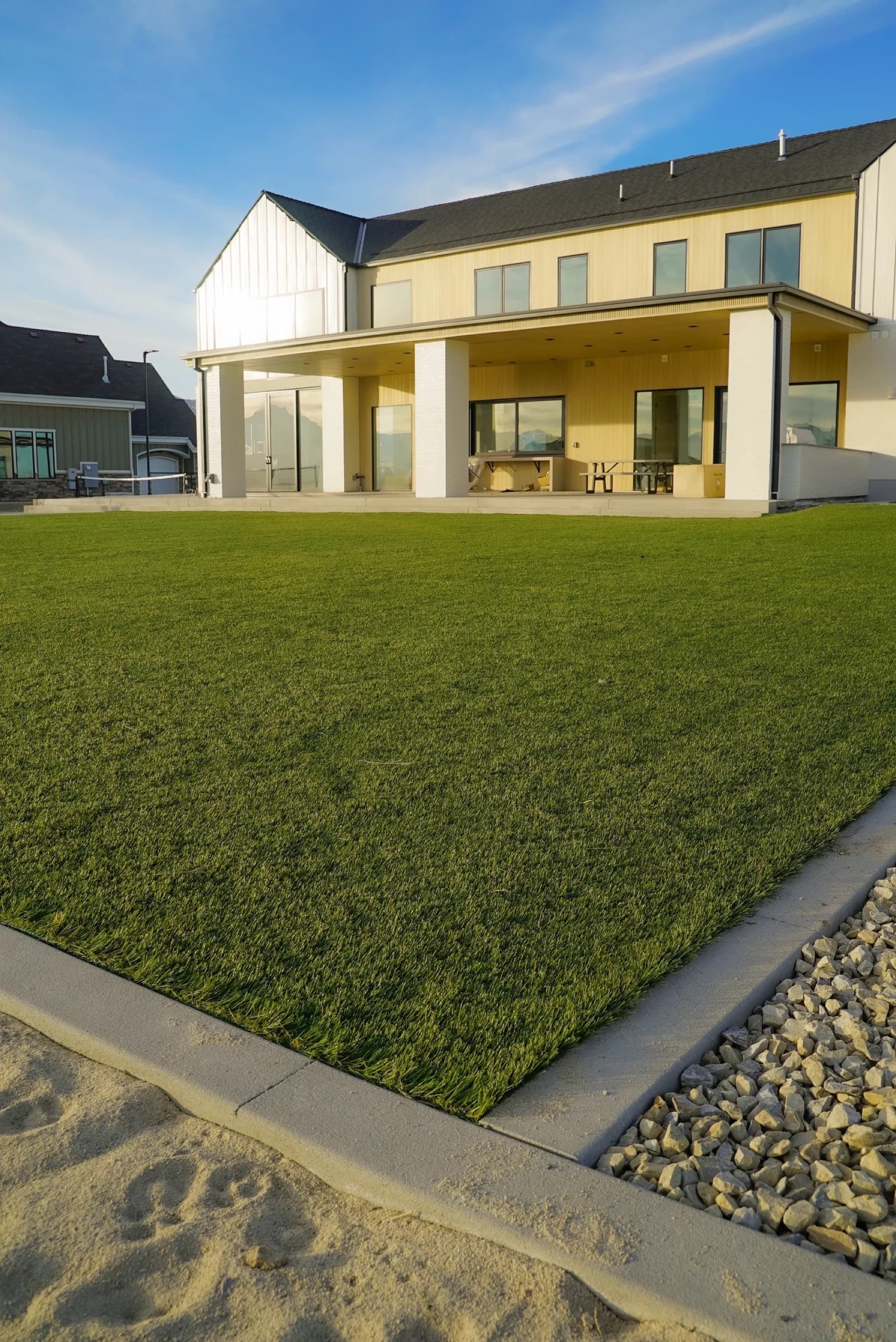
What changes because this is Utah
These are the things that decide whether the yard holds up. Ask any bid you get about them.
What the base is made of matters as much as how deep it is
Standard road base is full of fines and oversized rock. It packs hard and then holds water instead of letting it through, and that is what produces pooling, soft spots that work their way into potholes, and ground that shifts as it freezes and thaws. We build on a crushed and refined granite base, screened so there is no large rock in it — dense enough to hold grade under compaction, open enough that water keeps moving straight down through it. It costs more per yard than standard road base and it lasts a great deal longer.
Clay subgrade changes the base depth
Much of Utah Valley sits on dense clay that drains slowly. On those yards we go deeper on excavation and always run fabric between the clay and the granite base, otherwise the base slowly sinks into the clay and you get low spots in two or three seasons.
Freeze-thaw is what actually kills a bad install
Water trapped in an under-compacted base expands when it freezes and lifts the turf. Once it thaws you are left with waves and wrinkles. Compaction in lifts — not one big dump of base — is the difference, and it is invisible on the finished job, which is exactly why it gets skipped.
Surface temperature in July
Artificial turf in full Utah sun gets hot — noticeably hotter than a lawn. It matters most for dog runs and kids' play areas. Lighter-colored infills, some afternoon shade, or a quick pass with a hose all help. We would rather tell you this up front than have you find out in July.
Reflected heat from windows
Low-E windows can concentrate reflected sunlight into a hot spot intense enough to melt turf fibers. It is rare but real. If your yard has a south or west-facing window wall, we look at it before we quote.
How the job runs*
- 01
Yard measurement
We measure on site, check drainage and grade, and look at how you actually use the space.
- 02
Scope + quote
You get a written scope with base depth, turf product, infill, and edge detail spelled out — not just a square-foot number.
- 03
Install
Most residential turf jobs run one to three days depending on demo and square footage.
- 04
Walkthrough
We walk the finished yard with you and cover maintenance before we pull the trailer out.
Turf is usually priced per square foot installed, and the range moves with demo, base depth, access, and turf product.See what drives the number.
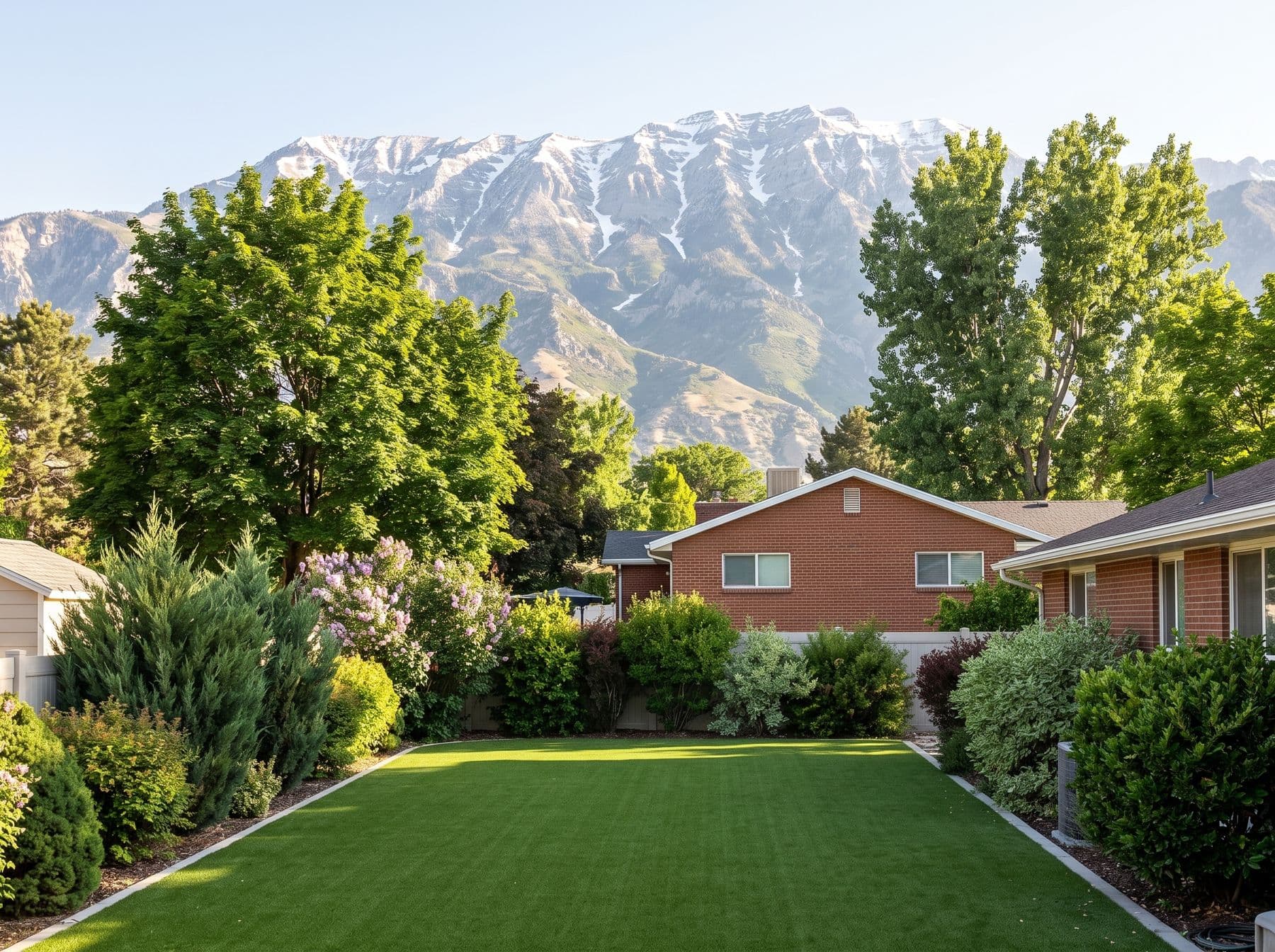
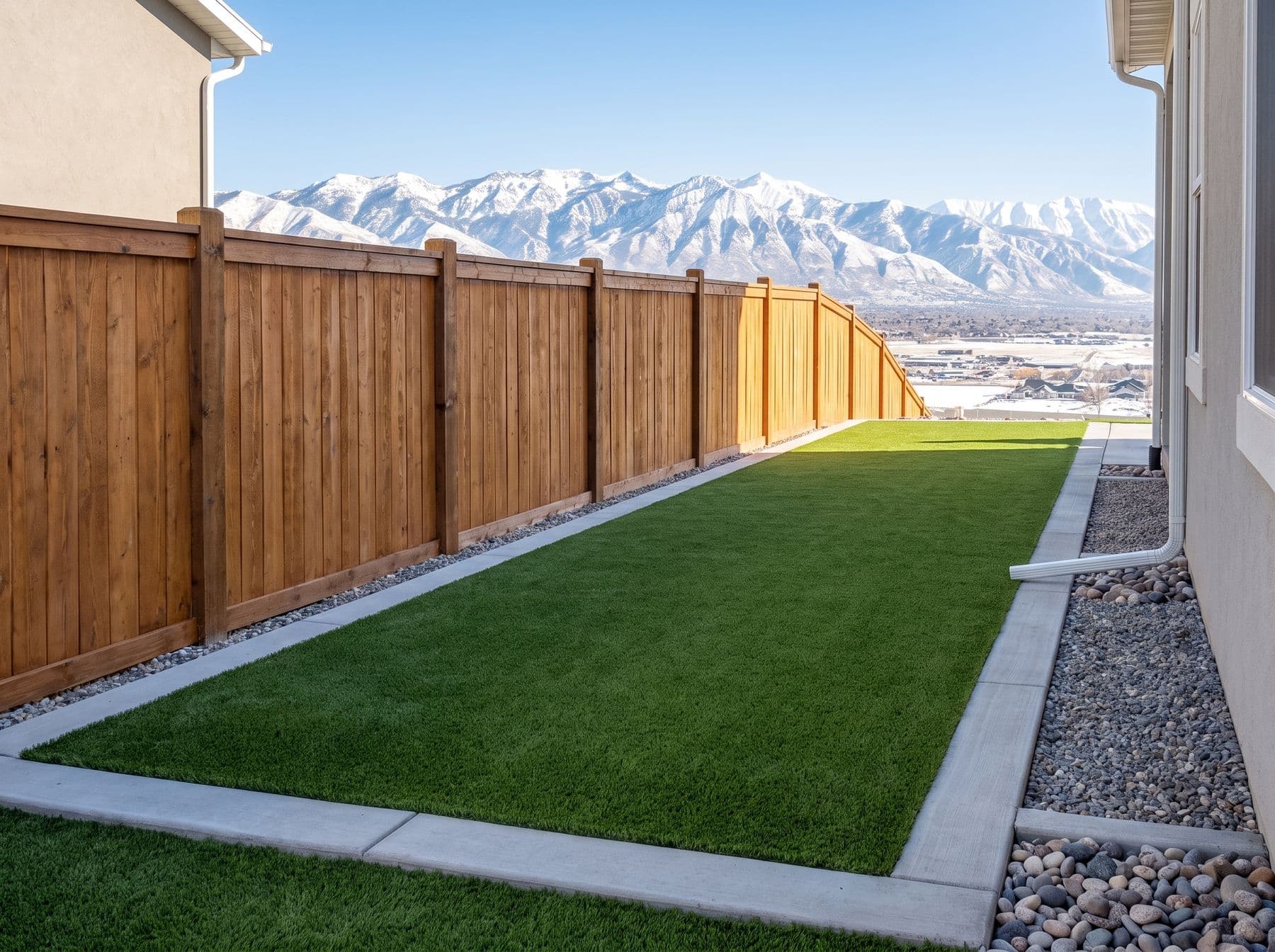
Artificial Turf projects
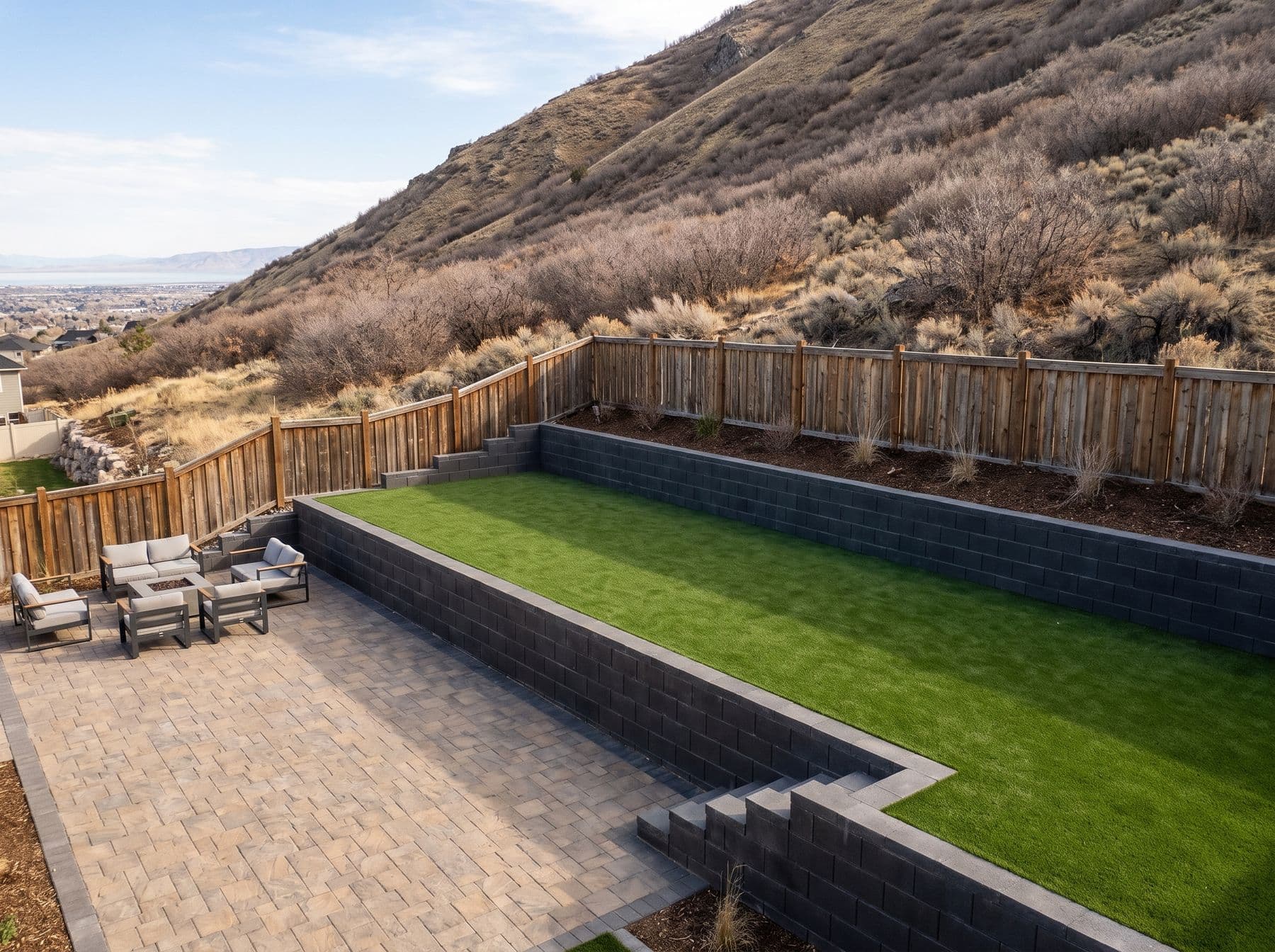
Artificial Turf questions
How long does artificial turf last in Utah?
Quality turf carries a manufacturer warranty in the 8–15 year range against UV degradation and fading. The base under it, if it was built right, outlasts the turf — which means a re-turf later is a much cheaper job than the original install.
Does artificial turf drain in a Utah winter?
Yes. The turf backing is perforated, and the crushed and refined granite base underneath stays porous rather than sealing up the way fines-heavy road base does, so snowmelt runs straight through instead of sitting in it. The failure mode is not the turf, it is a base that was never compacted properly or a yard that had a drainage problem before the turf went in.
Can I put turf over my existing lawn?
No. Organic material decomposes, settles unevenly, and gives you a lumpy yard within a year. The sod has to come out.
What maintenance does it actually need?
Rinse it occasionally, blow or rake leaves off, and power broom the high-traffic paths once or twice a year to stand the fibers back up. Pet areas need rinsing more often.
Where we install Artificial Turf
Also consider
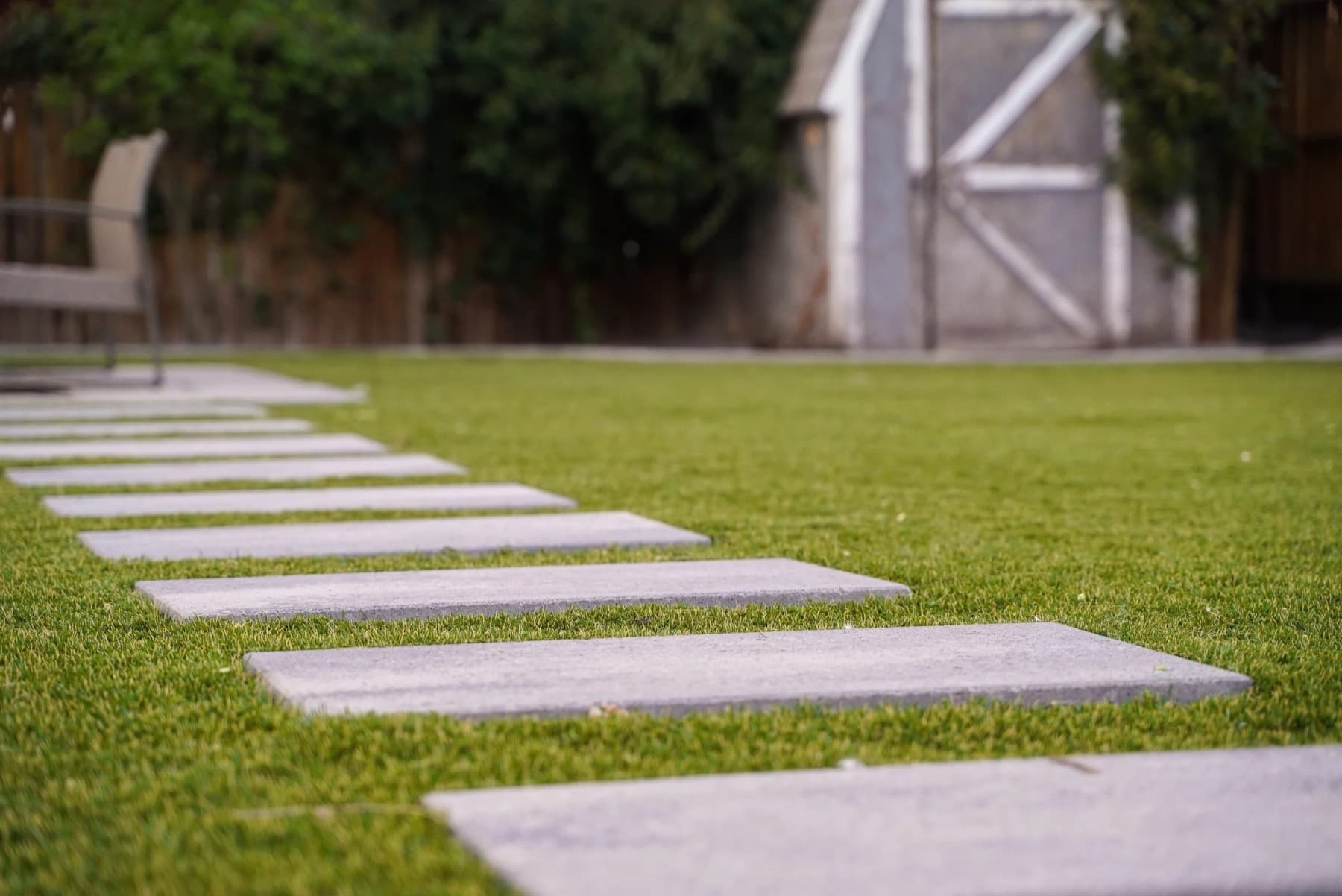 Pet TurfDrainage-first turf systems built for dogs — no mud, no dead patches, and a drainage layer designed to be rinsed.Learn more →
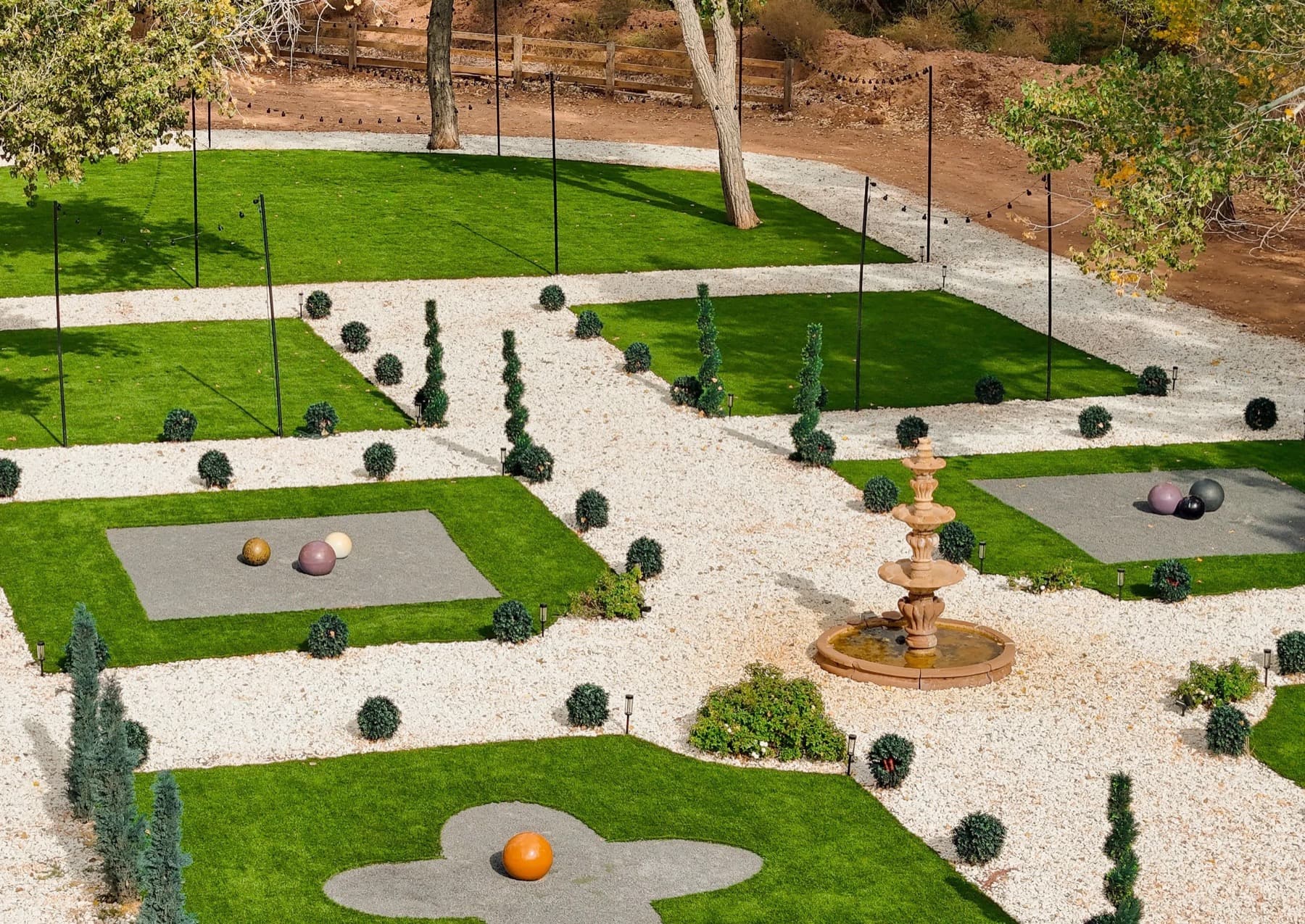 Putting GreensContoured greens with real break, cupped holes, and a fringe that reads correctly — built on a shaped, compacted base.Learn more →
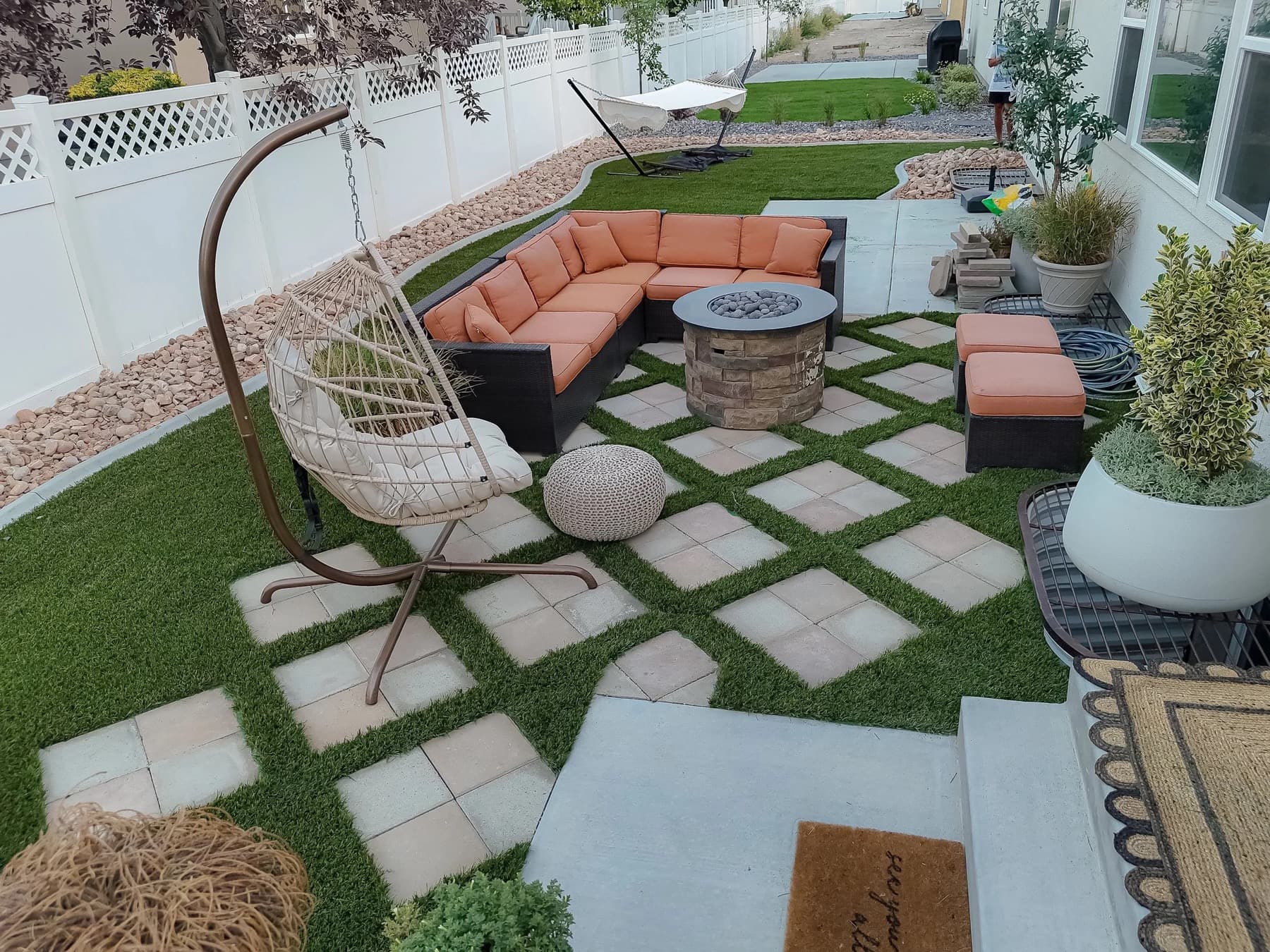 Turf + PaversThe full backyard: turf where you want soft, pavers where you want to put furniture. Designed and built as one job.Learn more →
Get a free yard estimate*
Send your address and a couple of photos. We come measure, and you get a written number with base depth and materials spelled out.